
Welcome To My World:
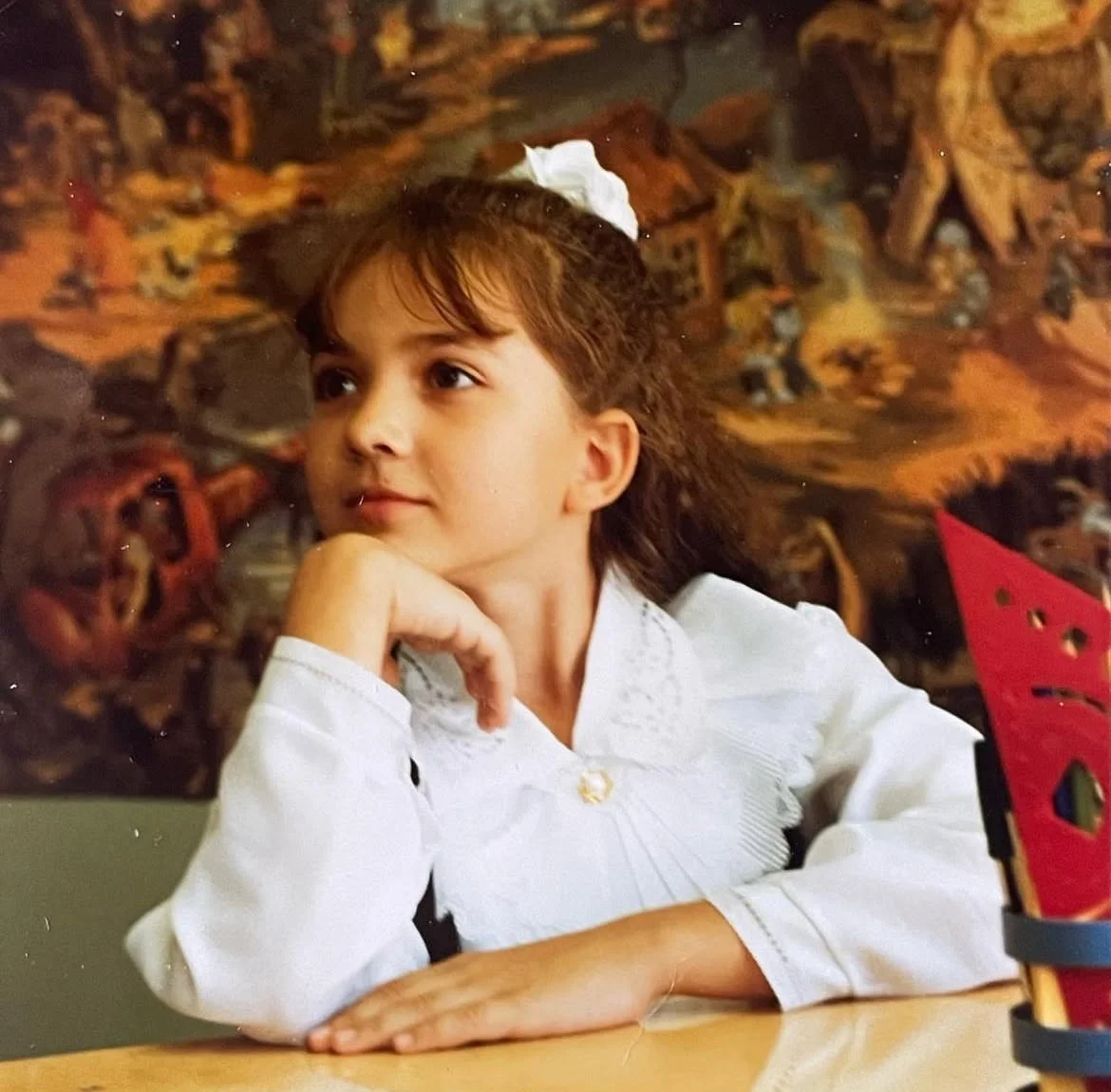
I grew up in Russia, in the family of two university professors. Two of my greatest impressions from childhood are witnessing my parents performing from the last row of the lecture auditorium and sitting next to my father's friend while he was playing jazz on my sister's upright piano in our tiny apartment. Along with the deep respect for science and knowledge, my family also instilled a profound love for art and self-expression in me. These two arrows of compass became my guiding light in the times I was most lost in life.
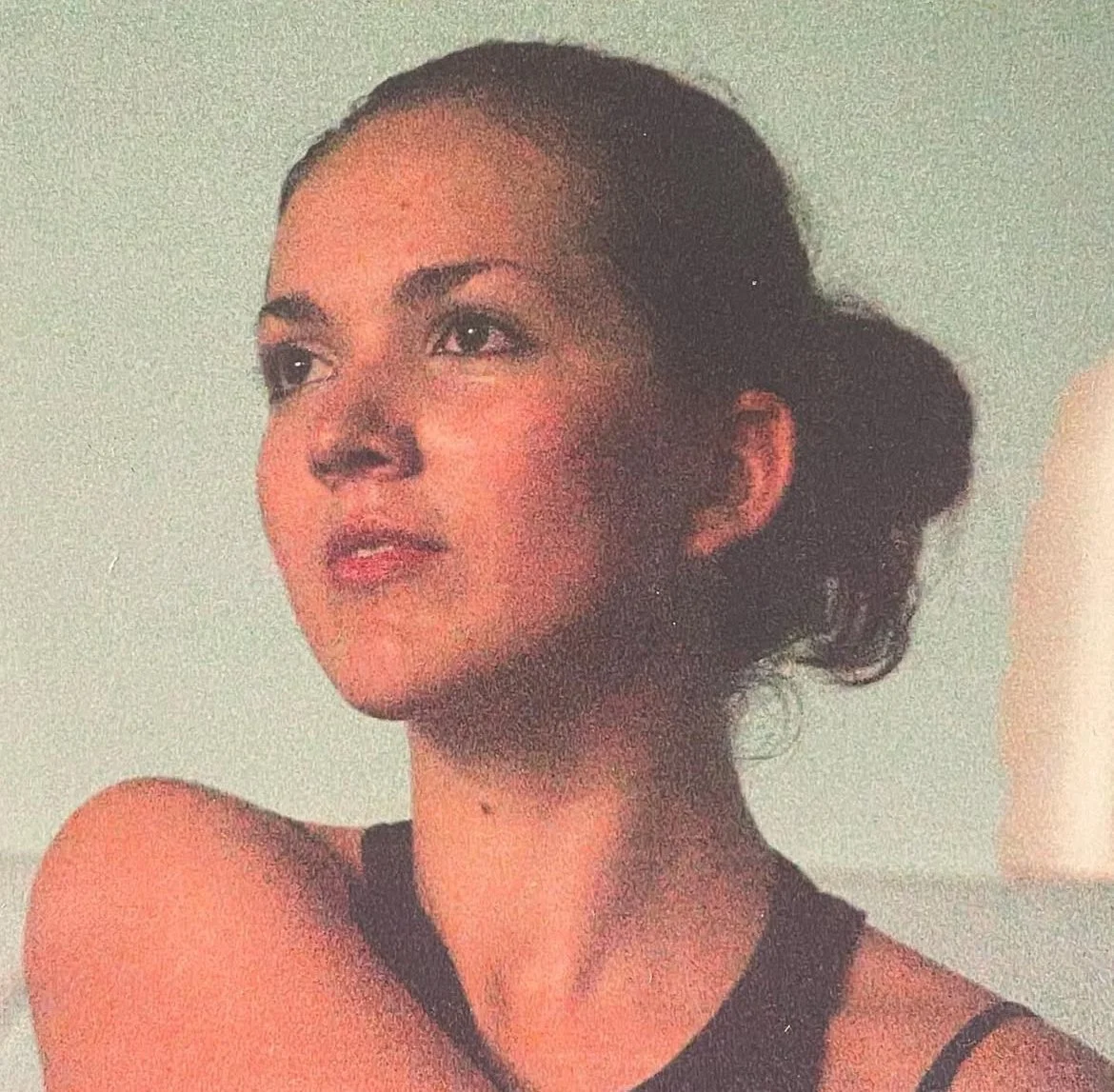
My father's dream was for his daughters to study abroad. We both did. A week after I moved to the United States, he passed away. What followed were years of complete disorientation and numbness, accompanied by the common loneliness of a new immigrant.
That's when photography saved me, via a camera given to me by my sister as a birthday gift.
I began wandering unfamiliar neighborhoods, taking photographs of everything I saw. It was, I would understand much later, a survival tool — a way of staying connected to my body when words weren't available yet. For someone who had lost her language and an anchoring point in the world, that was everything.
Over the years, the hobby of seeing became a craft. I became a portrait photographer — exceptionally good at observing others, at creating a space where people felt safe enough to be honest in front of the lens. What I didn't notice, for a long time, was that I had become a very skilled observer of everyone except myself.
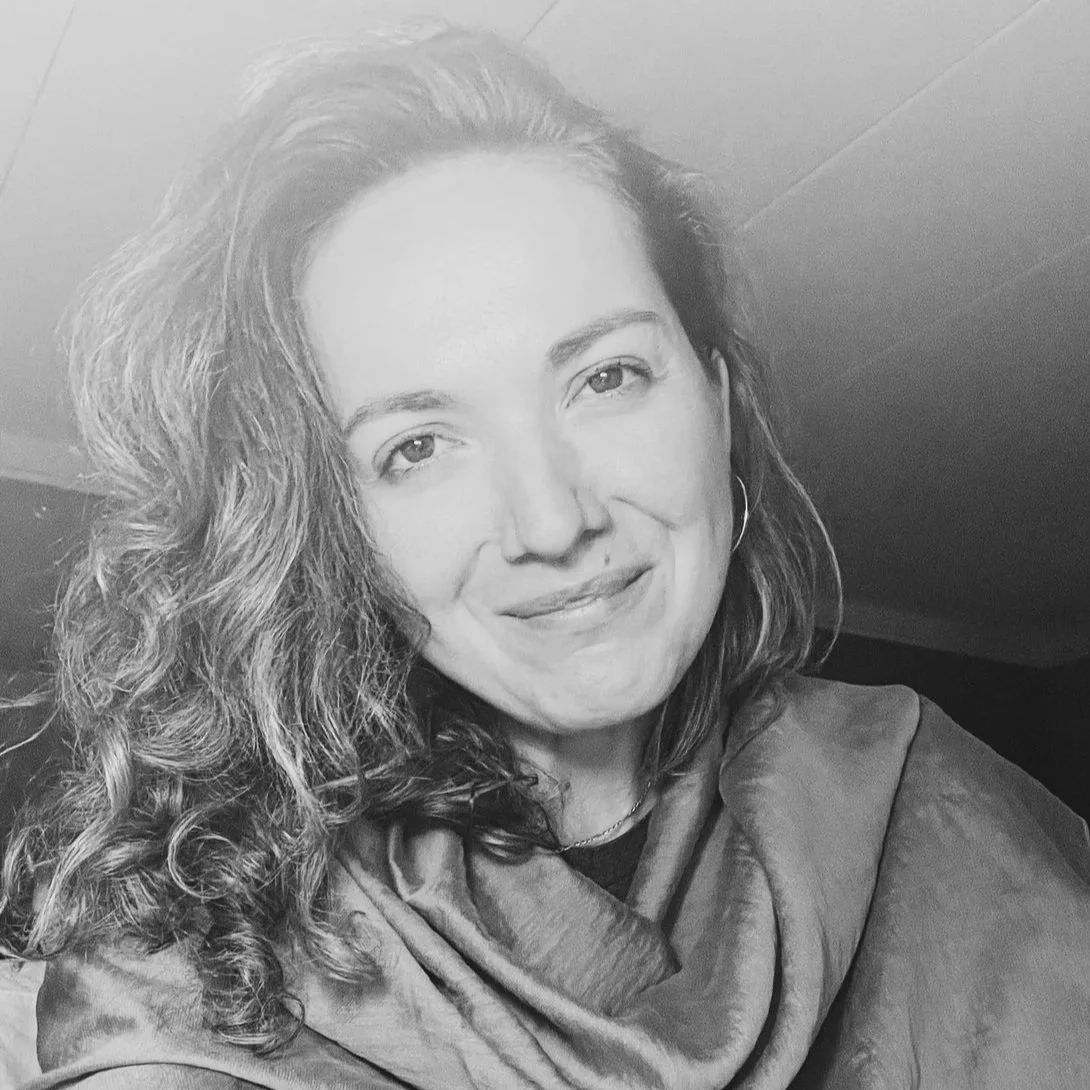
Then, at a meditation retreat, I took a photograph of myself.
What I saw in that image stopped me. There were no words for it. Only a physical impulse, a recognition felt in the body before the mind could name it. This is who I am. But why can't I be this all the time? Why can't I see this in the mirror every time I look? What's in my way of seeing me?
What followed was a quest. To interrogate that experience. To prove it was real. To find out whether other people could have it too. And to slowly, honestly, reckon with the fact that the person who needed it most — had been me all along.
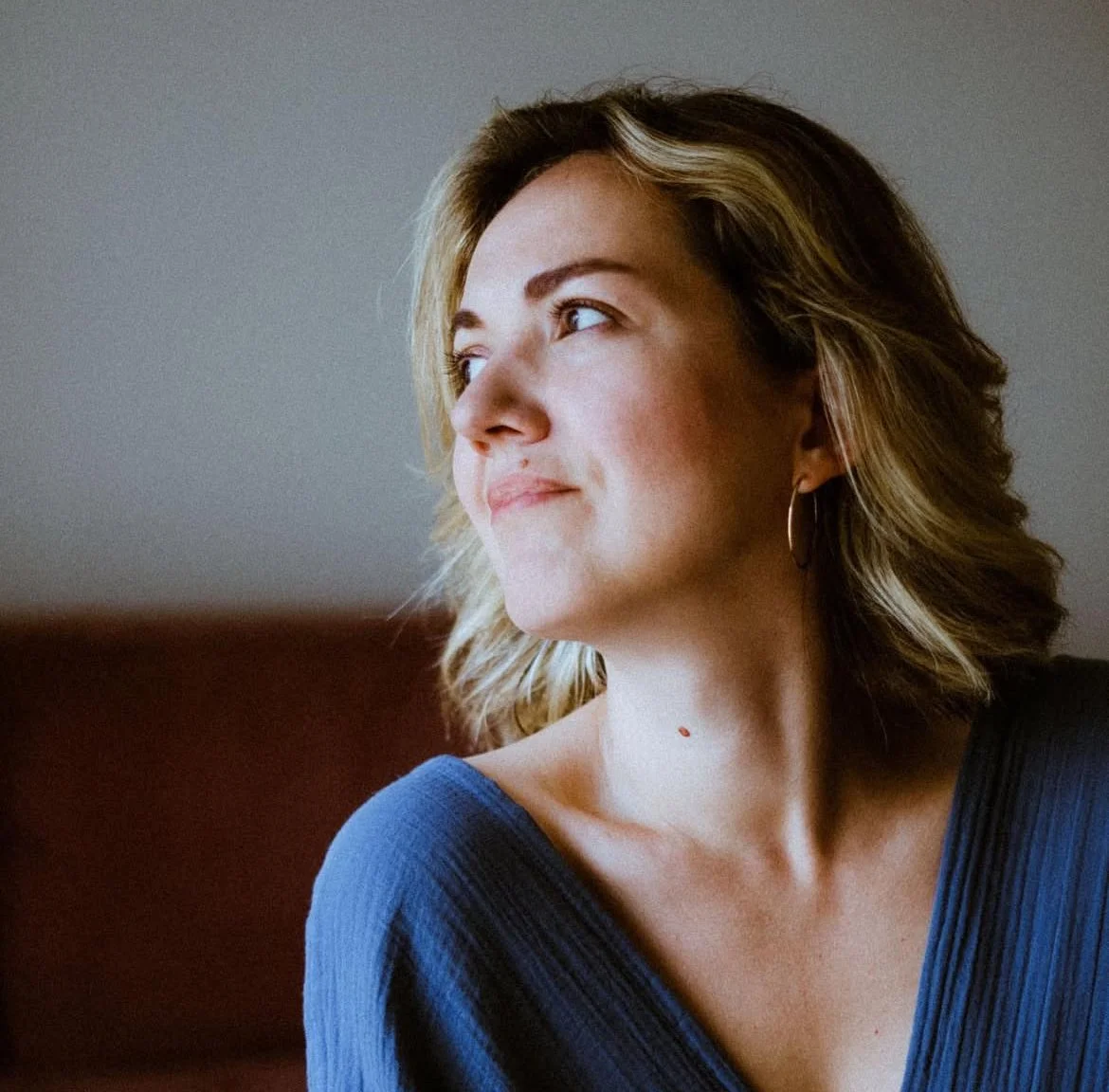
Through years of working with the format, through my own cycles of loss and return, one truth kept holding: the image can change me. That embodied knowing became my compass. I began picking up my camera in the moments I felt most lost — taking a selfie and asking, simply: who is this person looking at me right now? Every time, the answer came from the body. Not from the rational mind.
My journey led me to my current graduate studies in Psychological and Brain Sciences at George Washington University — and to my Trauma Certificate program with the Trauma Research Foundation — where I have been learning the neuroscience behind what I had already been living. Memory integration. The role of the body. What happens in the brain when we encounter our own face. The science kept confirming what the photographs had already shown me.
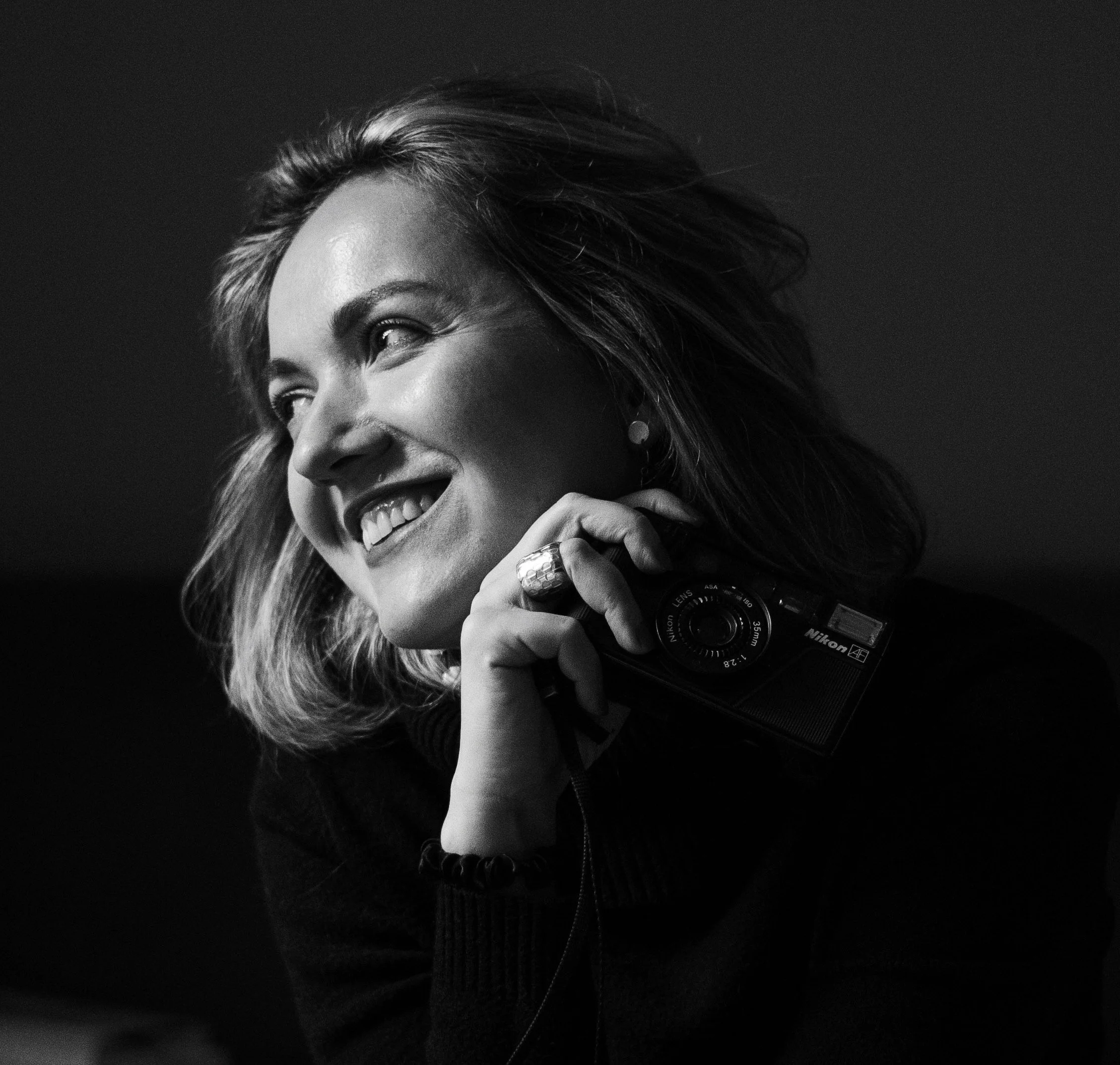
This is how the DareMethod was born. And this is how I began healing my relationship with the person who lived my life yesterday.
The method exists now as a platform, a practice, and a book in progress — to give people a way back to themselves.
To stop the self-abandonment. To finally be the one who witnesses your own greatness.
Education & Credentials
ICF PCC — International Coaching Federation, Professional Certified Coach
MS, Psychological & Brain Sciences — George Washington University (in progress)
Trauma Certificate — Trauma Research Foundation (in progress)
Photography — New York Film Academy
Memberships & Affiliations
Member — International Coaching Federation
Member — American Psychological Association
Ambassador — Inner Development Goals (IDG)